Custom Wire Forming: How CNC Technology Creates Precision Metal Components
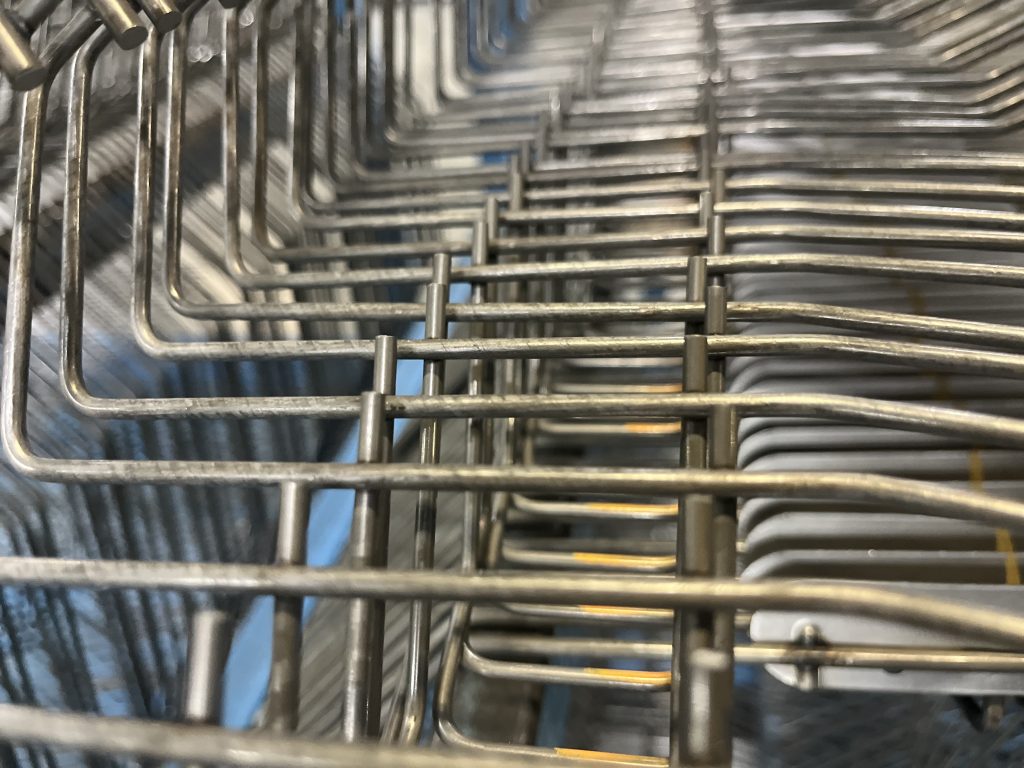
Custom wire forming is a versatile manufacturing process used to create precise metal components for a wide range of products and industries. From handles and racks to grids, grills, supports, and custom OEM components, formed wire can provide both functional and structural value while offering manufacturers flexibility in design.
For companies sourcing custom metal components, choosing the right wire forming partner is important. The right combination of equipment, material expertise, production capabilities, and quality control can help ensure consistent parts while keeping production moving efficiently.
At AWC Industries, we provide CNC custom wire forming and bending for wire up to 1 inch in diameter. We work with both ferrous and non-ferrous materials and support everything from smaller production orders to high-volume manufacturing.
What Is Custom Wire Forming?
Wire forming is a manufacturing process that bends and shapes metal wire into a specified configuration. Depending on the application, a wire form may include multiple bends, angles, curves, loops, or other features designed to meet precise dimensional requirements.
CNC wire forming uses computer-controlled equipment to produce these shapes with a high degree of consistency. Once a design and production specifications are established, CNC equipment can repeatedly produce parts according to the same programmed parameters.
This makes CNC wire forming particularly useful for manufacturers that need:
- Consistent part dimensions
- Repeatable bends and shapes
- Custom configurations
- Efficient production
- Scalable manufacturing
- Reliable component quality
The process can accommodate relatively simple forms as well as more complex designs, making it suitable for many different manufacturing applications.
How Does CNC Wire Forming Work?
While the exact process varies depending on the part and material, CNC wire forming generally begins with a customer’s design specifications. These specifications are used to determine the appropriate material, wire diameter, tooling, and forming sequence.
The wire is then fed through CNC forming equipment, where controlled movements create the required bends and shapes.
Several factors can influence the final result, including:
Wire Diameter
The diameter of the wire affects the strength, appearance, flexibility, and forming characteristics of the finished component. At AWC Industries, our CNC wire forming capabilities extend to wire up to 1 inch in diameter.
Material
Different metals respond differently during the forming process. Factors such as strength, flexibility, and work-hardening characteristics can affect how a material should be formed.
Part Geometry
The number, location, and angle of bends can vary significantly from one component to another. More intricate designs may require careful planning to achieve the desired shape while maintaining dimensional consistency.
Production Volume
Production requirements can also influence the manufacturing approach. CNC forming is well suited for repeat production because programmed equipment can consistently reproduce the same design across large quantities.
Materials Used for Wire Forming
Selecting the right material is an important part of designing a wire-formed component. The best choice depends on the environment in which the part will be used, as well as requirements for strength, weight, appearance, corrosion resistance, and other properties.
AWC Industries works with a variety of ferrous and non-ferrous materials, including:
Steel
Steel is a popular choice for applications requiring strength and durability. It can be used for functional components, supports, handles, racks, and other industrial products.
Stainless Steel
Stainless steel offers corrosion resistance and durability, making it useful for components exposed to moisture, chemicals, or demanding operating environments.
Aluminum
Aluminum is lightweight and corrosion resistant. It can be a good option when reducing component weight is an important consideration.
Copper
Copper offers excellent electrical and thermal conductivity in addition to its forming characteristics, making it useful for certain electrical and specialty applications.
Brass
Brass provides a combination of durability, corrosion resistance, and appearance. It can be used for functional components as well as applications where aesthetics are important.
Choosing a material based solely on its appearance or cost can create problems later in production. Manufacturers should consider the complete operating environment and performance requirements before selecting a material.
Common Applications for Custom Wire Forms
One of the biggest advantages of wire forming is its versatility. A properly designed wire form can serve as a structural component, support, handle, display element, protective feature, or functional part.
Common applications include:
- Push handles
- Countertop display racks
- Wire grids
- Wire grills
- Decorative wire forms
- Equipment supports
- Product displays
- Custom OEM components
Wire forms are used across a broad range of manufacturing applications because they can be designed around the specific needs of a product.
For example, a countertop display rack may prioritize appearance and precise dimensions, while an equipment support may place greater emphasis on strength and durability. Custom forming allows the component to be designed for its intended purpose rather than relying on a standard, off-the-shelf shape.
Custom Wire Forming vs. Standard Components
Standard components can be convenient when a readily available part meets your requirements. However, many manufacturing applications require dimensions, shapes, or material specifications that are not available from standard components.
Custom wire forming provides greater flexibility by allowing manufacturers to specify the geometry of the finished component.
This can help when a project requires:
- A specific overall shape
- Precise bend locations
- Unique dimensions
- A particular wire diameter
- A specific material
- Integration into an existing product design
Instead of modifying a product around an available component, manufacturers can have the wire form produced to fit the product.
Supporting Both Small and Large Production Runs
Manufacturing requirements can change throughout the life of a product. A new product may initially require a relatively small quantity while an established product may eventually require high-volume production.
A wire forming partner with flexible production capabilities can support these different stages without requiring a manufacturer to find a new supplier as demand increases.
AWC Industries can handle both small orders and high-volume production runs. This flexibility allows customers to source custom wire components based on their current production requirements while maintaining a consistent manufacturing relationship as their needs evolve.
Combining Wire Forming With Other Manufacturing Services
Wire forming is often only one part of a larger manufacturing project. A finished component may also require cutting, welding, assembly, or finishing before it is ready for use.
Working with a supplier that offers multiple capabilities can simplify the manufacturing process.
AWC Industries provides a range of metal fabrication and finishing services, including:
- CNC wire forming
- Laser cutting
- Tube bending
- Sheet metal fabrication
- Welding
- Assembly
- Powder coating
- Surface finishing
Having multiple capabilities available through one manufacturing partner can help streamline production and reduce the need to coordinate separate suppliers for different processes.
What to Consider When Choosing a Wire Forming Partner
Not every wire forming project has the same requirements. Before selecting a manufacturing partner, it is important to evaluate whether the supplier has the capabilities and experience needed for your specific application.
Consider factors such as:
Material Capabilities
Make sure the manufacturer works with the material specified for your application. This is especially important when a project requires both ferrous and non-ferrous metals.
Wire Diameter
Confirm that the supplier can work with the required wire diameter. AWC Industries provides CNC wire forming for wire up to 1 inch in diameter.
Production Volume
Ask whether the manufacturer can accommodate your expected order volume, whether you need a small production run or ongoing high-volume manufacturing.
Additional Capabilities
If your component requires welding, finishing, assembly, or other processes, consider whether those services can be handled by the same supplier.
Quality and Consistency
For repeat production, consistency is essential. CNC equipment and established manufacturing processes can help ensure that parts continue to meet specifications throughout a production run.
Responsiveness
A manufacturing partner should also be able to communicate clearly about project requirements, production timelines, and potential challenges. Fast, reliable communication can be just as important as equipment when keeping a project on schedule.
Why Choose AWC Industries for Custom Wire Forming?
AWC Industries provides CNC custom wire forming as part of a broader range of metal fabrication and finishing services.
Our capabilities include wire forming up to 1 inch in diameter using materials such as steel, stainless steel, aluminum, copper, and brass. We support both smaller orders and high-volume production runs, giving manufacturers the flexibility to meet changing production requirements.
Our goal is to provide the combination of quality, responsiveness, and production efficiency our customers need to keep their operations moving.
Get Started With Custom Wire Forming
Whether you need a simple formed wire component, a complex custom shape, or a high-volume production solution, CNC wire forming can provide the precision and repeatability needed for modern manufacturing.
AWC Industries can help with custom wire bending and forming for a wide range of applications and materials. Our additional fabrication and finishing capabilities also allow us to support projects beyond the forming process itself.
Have a custom wire forming project? Contact AWC Industries today to discuss your requirements and request a quote.
Frequently Asked Questions About Wire Forming
What is CNC wire forming?
CNC wire forming uses computer-controlled equipment to bend and shape metal wire into custom configurations. The process provides repeatability and consistency for both small and large production runs.
What size wire can AWC Industries form?
AWC Industries provides CNC custom wire forming for wire up to 1 inch in diameter.
What materials can be used for wire forming?
AWC Industries forms steel, stainless steel, aluminum, copper, and brass, along with other project-specific material requirements.
What products can be made through wire forming?
Common wire-formed products include push handles, countertop display racks, decorative wire forms, grids, grills, equipment supports, product displays, and custom OEM components.
Can wire forming be used for high-volume production?
Yes. CNC wire forming is well suited for repeatable production and can support high-volume manufacturing. AWC Industries also accommodates smaller production orders.
Does AWC Industries offer other fabrication services?
Yes. In addition to CNC wire forming, AWC Industries offers laser cutting, tube bending, sheet metal fabrication, welding, assembly, powder coating, and other finishing services.
