Custom Tube Bending: From Design Specifications to Finished Manufacturing Components
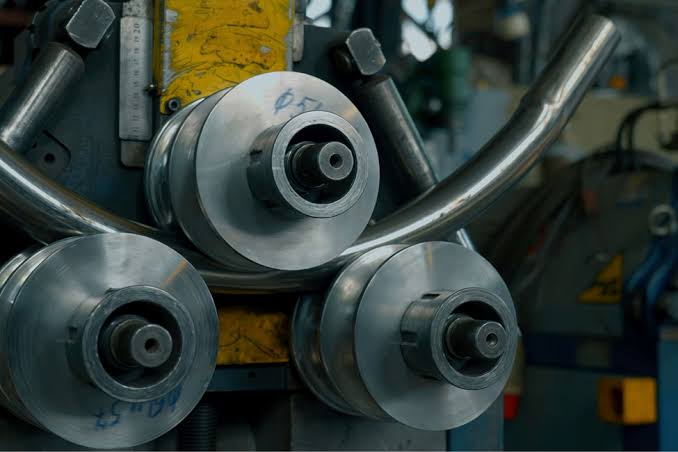
Custom tube bending plays an important role in modern manufacturing, allowing businesses to create durable, functional components for a wide range of products and applications. From industrial equipment and material handling systems to automotive components and structural assemblies, bent tubing provides strength, versatility, and design flexibility.
However, producing quality bent tube components involves more than simply shaping a piece of metal. Material selection, bend geometry, dimensional accuracy, and manufacturing capabilities all influence the final result.
At AWC Industries, we specialize in CNC custom tube bending and fabrication for tubing up to 3 inches in diameter. With the ability to process both ferrous and non-ferrous materials and accommodate everything from small orders to high-volume production runs, we help manufacturers turn their specifications into reliable finished components.
What Is Custom Tube Bending?
Custom tube bending is a metal fabrication process used to shape straight tubing into specific angles, curves, and configurations based on a project’s design requirements.
Unlike standard pre-formed tubing, custom-bent components are manufactured to meet the exact dimensions and functional needs of an application. This allows manufacturers to incorporate tubing directly into their products without relying on multiple fittings, connections, or additional components.
CNC (Computer Numerical Control) technology makes this process more precise and repeatable by using programmed specifications to guide the bending equipment. This helps ensure consistent results across individual parts and larger production runs.
Custom tube bending is commonly used to manufacture:
- Dipstick tubes
- Pull handles
- Lifting handles
- Bleacher end rails
- Equipment frames and supports
- Structural and functional tubing components
Each application has different requirements, making the ability to customize bend angles, dimensions, and configurations an important part of the manufacturing process.
Key Considerations When Planning a Tube Bending Project
A successful tube bending project starts with understanding the requirements of the finished component. Several factors influence how tubing should be processed and which materials and manufacturing methods are appropriate.
1. Material Selection
The type of metal used can affect the bending process, component durability, and overall performance.
Different materials offer different advantages depending on the intended application:
- Steel: Provides strength and durability for demanding industrial and structural applications.
- Stainless Steel: Offers corrosion resistance and is well-suited for environments where long-term durability is important.
- Aluminum: Provides a lightweight alternative for applications where reducing overall component weight is beneficial.
- Copper: Offers excellent electrical and thermal conductivity.
- Brass: Provides corrosion resistance and is commonly used in applications requiring specific mechanical or appearance characteristics.
Selecting the right material helps ensure the finished component meets the functional demands of its intended environment.
2. Tube Diameter and Dimensions
Tube diameter is another important consideration when planning a custom bending project. The size of the tubing influences equipment requirements, bending parameters, and the overall design of the component.
Working with a fabricator that can accommodate a range of tube sizes provides greater flexibility when developing custom parts.
AWC Industries offers CNC tube bending capabilities for tubing up to 3 inches in diameter, supporting a variety of manufacturing applications.
3. Bend Angles and Configurations
Every application has unique design requirements. Some components may require simple bends, while others involve multiple angles and more complex configurations.
Accurate bending helps ensure finished components align with surrounding parts and fit properly during assembly. Working from clear design specifications also helps reduce the potential for production issues and unnecessary modifications.
4. Production Volume
The quantity of components needed can influence production planning, scheduling, and manufacturing efficiency.
Some projects require only a small number of custom components, while others involve thousands of identical parts. Choosing a fabrication partner that can accommodate different production volumes makes it easier to maintain consistency as manufacturing needs change.
AWC Industries supports both small orders and high-volume production runs, providing flexibility for a variety of project requirements.
Common Applications for Custom Bent Tubing
Custom tube bending is used across numerous industries because it allows manufacturers to create components that combine functionality, strength, and efficient design.
Some common applications include:
Industrial Equipment
Manufacturers use custom-bent tubing for equipment handles, structural supports, frames, and other components that contribute to the functionality and durability of industrial machinery.
Material Handling
Pull handles, lifting handles, carts, and equipment supports frequently incorporate bent tubing. These components must be designed to accommodate regular use while meeting the dimensional requirements of the finished product.
Automotive Manufacturing
Bent tubing is used in various automotive applications, including fluid transfer systems, structural components, and equipment assemblies. Material selection and dimensional accuracy are particularly important for components that must integrate with other parts.
Construction and Seating Systems
Bleacher end rails, handrails, supports, and other structural components often require custom tube bending to achieve the appropriate shape and fit.
These applications demonstrate the versatility of tube bending and its importance in producing components that meet specific manufacturing requirements.
Why Work with a Full-Service Tube Bending and Fabrication Partner?
Tube bending is often only one part of the manufacturing process. Depending on the application, finished components may also require cutting, drilling, notching, welding, assembly, or additional finishing.
Working with a fabricator that offers multiple services can simplify production by reducing the need to coordinate with several different suppliers.
A full-service manufacturing partner can help provide:
- Streamlined Production: Multiple fabrication processes can be coordinated through one source.
- Consistent Quality: Keeping related manufacturing processes together helps maintain better oversight throughout production.
- Improved Efficiency: Fewer supplier handoffs can simplify scheduling and reduce production delays.
- Greater Project Flexibility: Access to additional fabrication capabilities makes it easier to accommodate changing project requirements.
Having these capabilities available through one manufacturing partner can make a meaningful difference in keeping production organized and moving forward.
Custom CNC Tube Bending at AWC Industries
At AWC Industries, we understand that manufacturers need reliable components, consistent quality, and production timelines they can depend on.
Our CNC tube bending capabilities allow us to manufacture custom components using a variety of ferrous and non-ferrous materials, including steel, stainless steel, aluminum, copper, and brass.
Our capabilities include:
- CNC custom tube bending up to 3 inches in diameter
- Processing of ferrous and non-ferrous materials
- Small orders and high-volume production runs
- Custom components manufactured to project specifications
- Additional metal fabrication and finishing services
- Fast turnaround times
From dipstick tubes and pull handles to lifting handles and bleacher end rails, we work with customers to produce components that meet their manufacturing needs.
As a one-stop source for metal fabricating and finishing, AWC Industries offers additional capabilities to support projects beyond tube bending, helping customers simplify their production processes and get finished products to market.
Get Started on Your Custom Tube Bending Project
Whether you need a small quantity of custom-bent tubing or a high-volume production run, choosing the right fabrication partner is essential to achieving consistent, reliable results.
AWC Industries combines CNC tube bending capabilities with a broad range of fabrication and finishing services to help manufacturers meet their production requirements.
Contact AWC Industries today to discuss your next project or request a quote. Learn more about our custom tube bending and fabrication capabilities at awcindustries.com.
Frequently Asked Questions
Q1) What is custom CNC tube bending?
Custom CNC tube bending uses computer-controlled equipment to shape metal tubing into specific angles and configurations based on programmed design specifications. This process helps produce accurate, repeatable components.
Q2) What is the maximum tube diameter AWC Industries can bend?
AWC Industries provides CNC custom tube bending for tubing up to 3 inches in diameter.
Q3) What materials can be used for custom tube bending?
AWC Industries works with a variety of ferrous and non-ferrous materials, including steel, stainless steel, aluminum, copper, and brass.
Q4) What types of products can be made with bent tubing?
Common applications include dipstick tubes, pull handles, lifting handles, bleacher end rails, equipment supports, and other custom-manufactured components.
Q5) Can AWC Industries accommodate both small and large production orders?
Yes. AWC Industries handles both small orders and high-volume production runs, providing flexibility for projects with different production requirements.
Q6) Does AWC Industries offer services beyond tube bending?
Yes. AWC Industries is a one-stop source for metal fabricating and finishing, offering additional capabilities to support customers throughout the manufacturing process.
